Can You Replace a Roof During Winter in Bowie, MD?
Can You Replace a Roof During Winter in Bowie, MD?
Replacing a roof during winter in Bowie, MD is feasible when temperatures stay above freezing and contractors use cold-weather adhesives and hand-sealing techniques. Emergency replacements proceed year-round, but scheduling flexibility and material selection become critical factors for successful winter installations.
What Temperature Limits Affect Winter Roof Replacement?
Asphalt shingle manufacturers recommend installation when temperatures reach at least 40 degrees Fahrenheit, as colder conditions prevent sealant strips from bonding properly.
Shingles rely on heat-activated adhesive strips to seal each course to the layer below. When temperatures drop below 40 degrees, these strips remain rigid and fail to create the waterproof bond that protects against wind uplift and water intrusion. Contractors working in cold weather must hand-seal each shingle with roofing cement, adding labor time and cost to the project.
Bowie's winter temperatures fluctuate between the mid-20s and low 40s, with occasional warm spells reaching the 50s. Experienced crews monitor forecasts to schedule work during these milder periods, completing installations over several days when conditions allow. Homeowners facing emergency replacements due to storm damage or structural failure cannot always wait for ideal weather, making cold-weather techniques essential for protecting the home.
How Do Contractors Adapt Installation Methods for Cold Weather?
Cold-weather roofing requires hand-sealing shingles, storing materials in heated spaces, and using specialized adhesives formulated for low temperatures.
Crews bring shingles indoors or store them in heated trailers overnight to keep them pliable. Warm shingles are easier to cut and less likely to crack during installation. Contractors apply roofing cement to each shingle tab before nailing, ensuring a secure bond even when the factory adhesive strip cannot activate. This manual sealing process doubles as a quality control measure, creating a more durable installation than standard warm-weather methods.
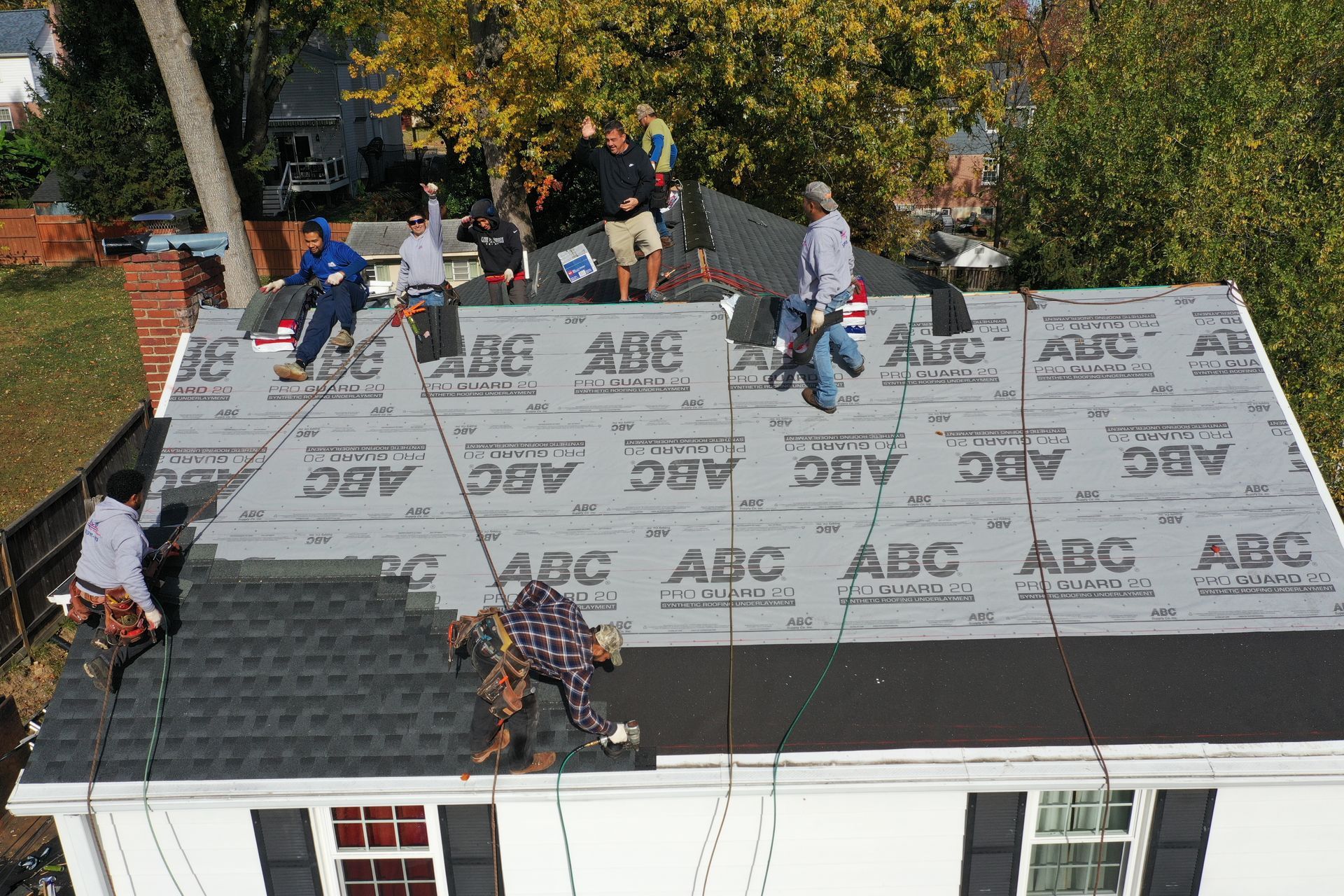
Underlayment selection also changes in winter. Synthetic underlayment resists tearing in cold temperatures better than traditional felt paper, which becomes brittle and prone to cracking. High-quality synthetic products provide a reliable secondary water barrier while crews work, protecting the roof deck from snow or rain that may fall during the installation. Residents who explore roof replacement options in Bowie during winter should confirm their contractor uses cold-weather materials and techniques.
Which Winter Conditions Make Roof Replacement Unsafe or Impractical?
Active snow, ice accumulation, high winds, and sustained temperatures below 25 degrees create hazardous conditions that delay or halt roofing work.
Snow and ice make roof surfaces slippery, increasing the risk of falls and injuries. Contractors cannot safely walk steep pitches or work near roof edges when ice is present. Even after clearing snow, frozen underlayment and sheathing remain slick until temperatures rise enough to melt residual ice. Most crews suspend work until conditions improve, prioritizing safety over schedule.
High winds pose additional challenges by lifting shingles before they can be secured and making it difficult to handle large sheets of underlayment. Bowie's winter storms occasionally bring gusts exceeding 30 miles per hour, which can tear materials from workers' hands and create dangerous projectiles. Contractors monitor wind forecasts and pause work when gusts exceed safe thresholds, resuming once calmer weather returns.
Do Winter Roof Replacements Cost More Than Summer Projects?
Winter installations often carry higher labor costs due to slower work pace, additional material handling, and the need for specialized cold-weather products.
Hand-sealing every shingle adds hours to the installation timeline, increasing labor expenses. Crews also spend extra time warming materials, clearing snow, and monitoring weather conditions. These factors can raise project costs by 10 to 20 percent compared to summer pricing. However, some contractors offer off-season discounts to fill their schedules during slower months, potentially offsetting the added labor costs.
Material costs remain relatively stable year-round, though availability may be limited for certain colors or specialty products. Homeowners planning winter replacements should order materials early to ensure their preferred options are in stock. Working with a contractor who maintains relationships with multiple suppliers increases the likelihood of securing materials quickly, even during peak demand periods following major storms.
When Should Bowie Homeowners Consider Emergency Winter Roof Replacement?
Pursue immediate replacement when structural damage, extensive leaks, or missing sections expose your home to water intrusion and interior damage.
Storm damage that removes large sections of shingles or compromises the roof deck cannot wait for spring. Water entering the attic causes insulation damage, mold growth, and ceiling stains that worsen with each rain or snow event. Emergency tarping provides temporary protection, but a full replacement is the only permanent solution when damage is severe.
Homes with failing roofs that develop multiple leaks during winter storms also require urgent attention. Patching individual leaks becomes impractical when the entire roof system has reached the end of its service life. Replacing the roof eliminates the cycle of emergency repairs and protects your home from the cumulative damage caused by repeated water intrusion. Homeowners who need to find storm damage help in Bowie should contact contractors experienced in winter installations to assess their options.
Winter roof replacement is possible with the right contractor and favorable weather windows. AHI Roofing & Remodeling has the experience and equipment to complete emergency replacements safely during Maryland's coldest months. Reach out today to discuss your project and protect your Bowie home year-round.
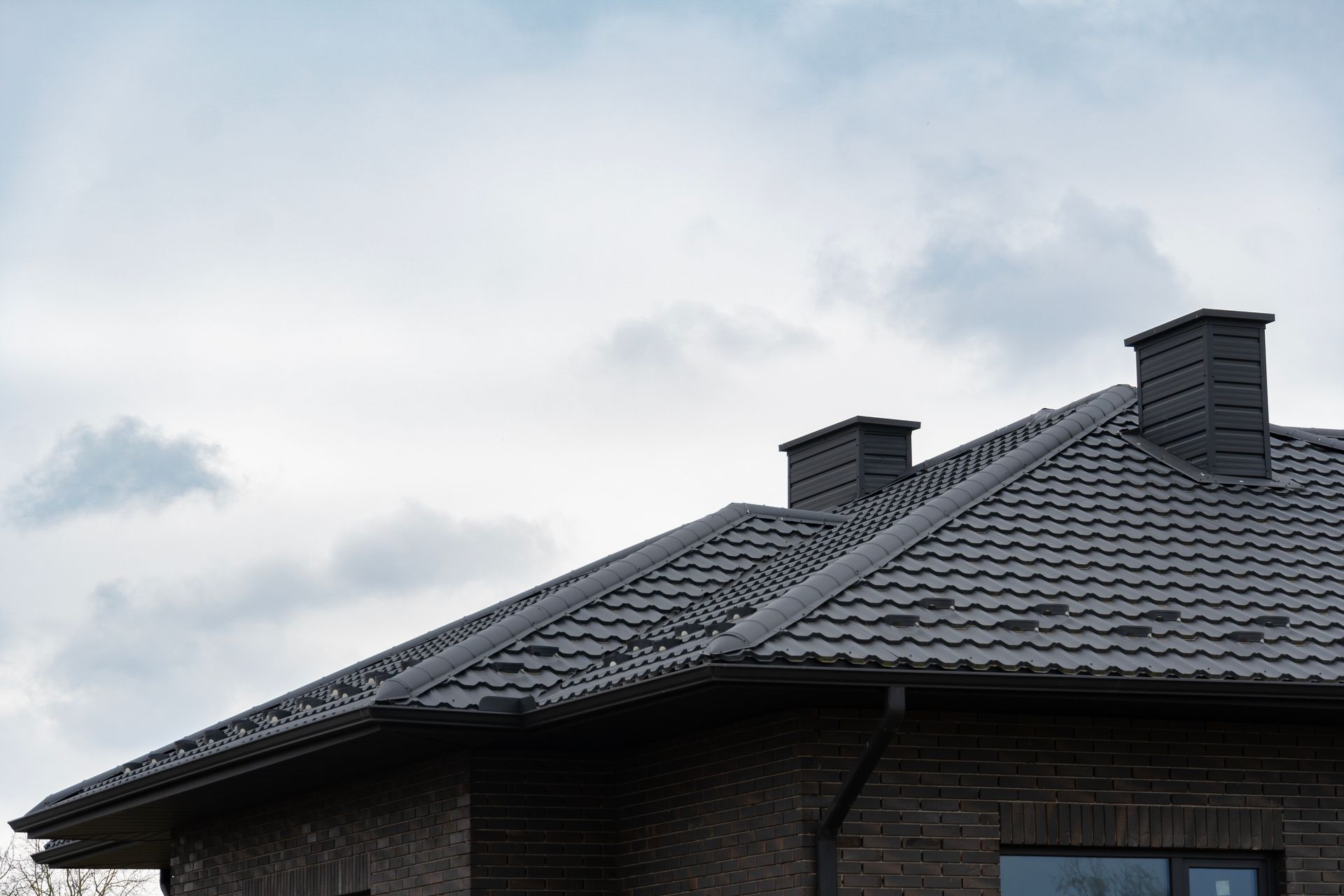
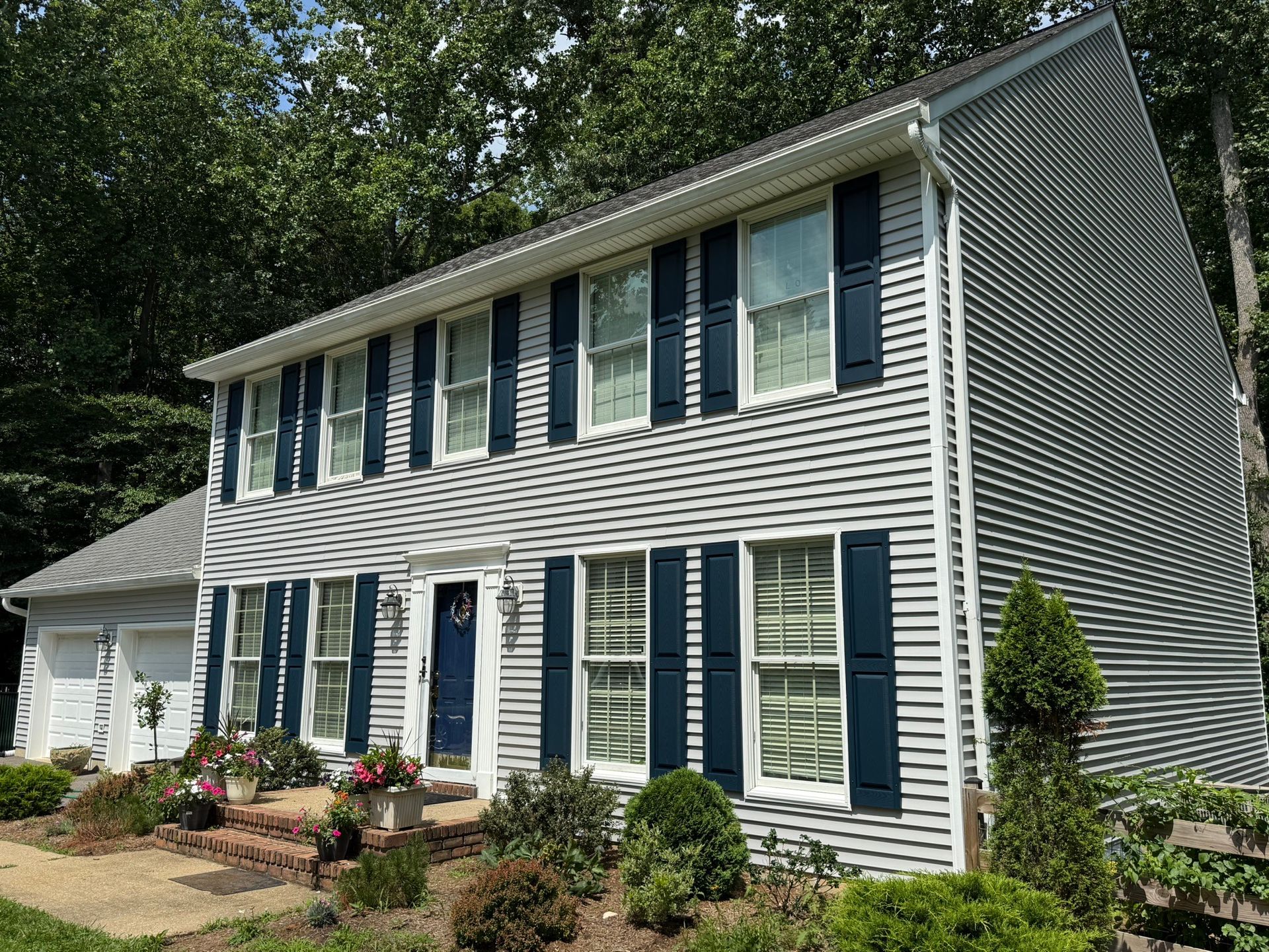
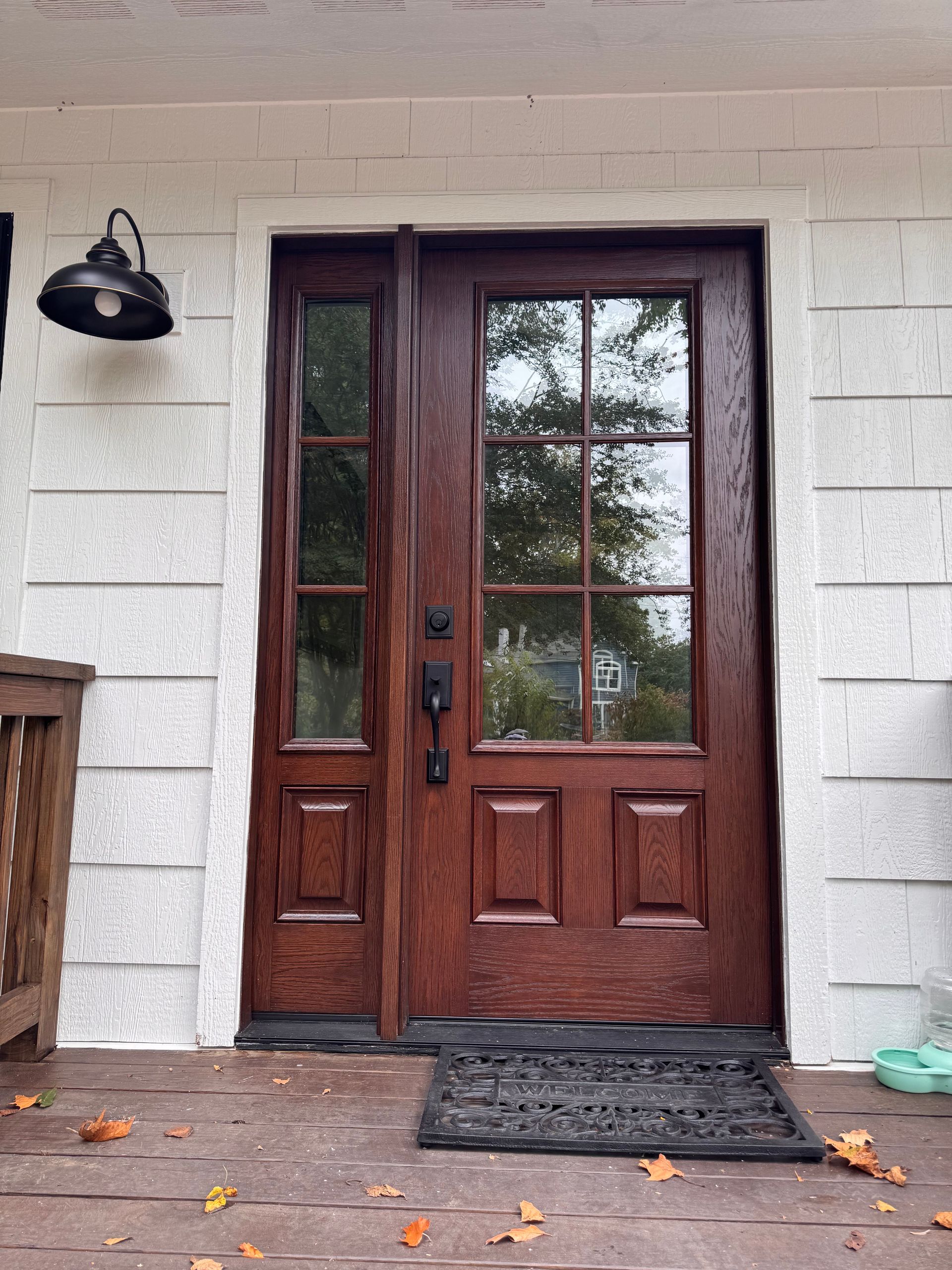
What We’ve Been Working On: Major Renovations, Exterior Upgrades & Home Improvements Across Maryland