What Are Ice Dams and How Can They Damage Your Roof in Columbia, MD?
What Are Ice Dams and How Can They Damage Your Roof in Columbia, MD?
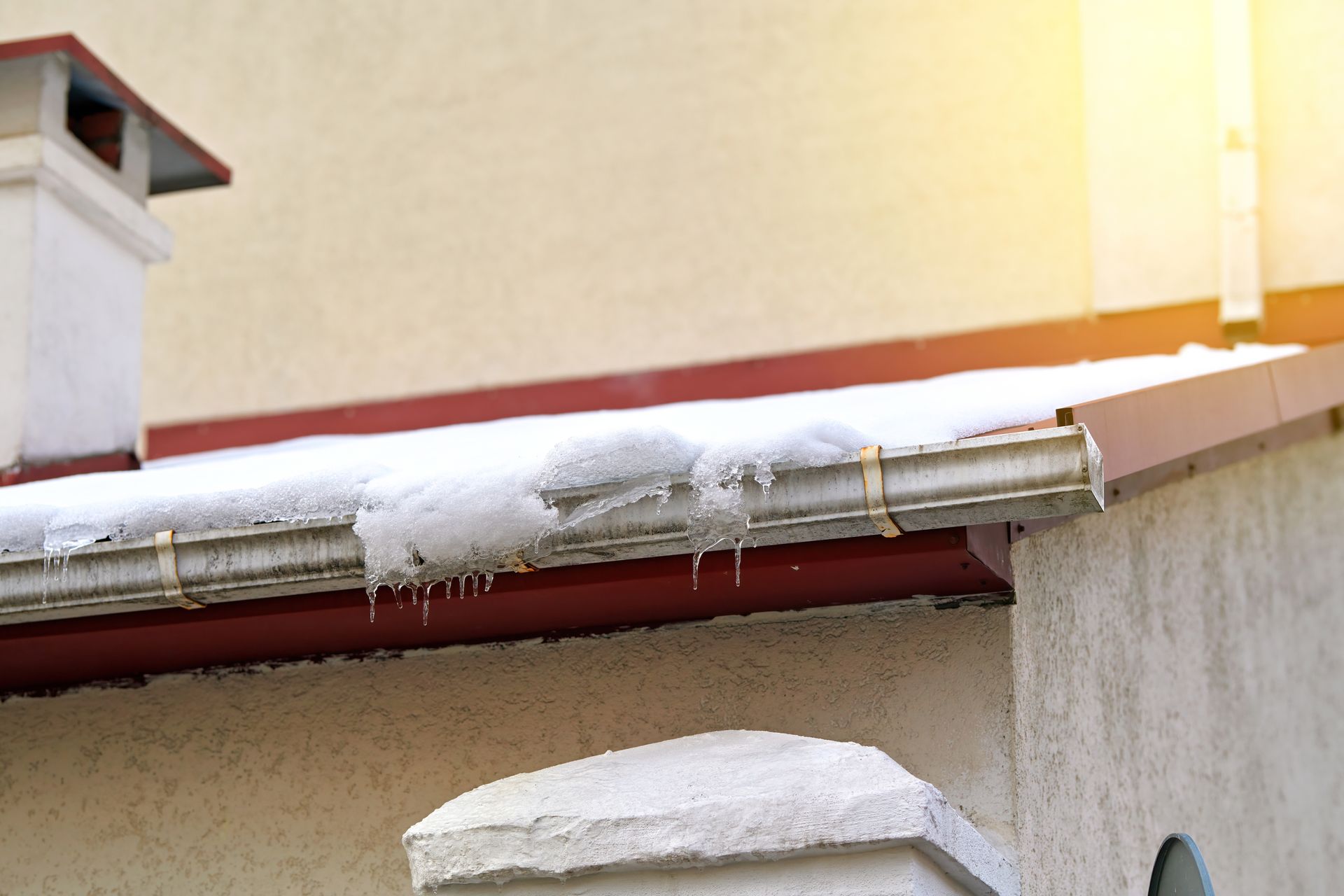
Ice dams are ridges of ice that form at roof edges when melting snow refreezes, blocking drainage and forcing water under shingles into attics and walls. Columbia, MD homeowners face ice dam risks during winter freeze-thaw cycles, making proper insulation and ventilation critical for prevention.
How Do Ice Dams Form on Columbia Roofs?
Ice dams develop when heat escaping through an under-insulated attic warms the roof deck, melting snow that runs down to the cold eaves and refreezes into a barrier.
Columbia's winter weather alternates between freezing nights and milder days, creating conditions that promote ice dam formation. During the day, sunlight and attic heat melt snow on the upper roof. The meltwater flows downward until it reaches the eaves, which remain below freezing because they extend beyond the heated living space. There, the water refreezes into a ridge of ice that grows with each freeze-thaw cycle.
As the ice dam thickens, it traps subsequent meltwater behind it. With nowhere to drain, the water backs up under shingles and seeps through the roof deck into the attic. This water intrusion damages insulation, stains ceilings, and promotes mold growth. In severe cases, the weight of accumulated ice and water can damage gutters and fascia boards, requiring extensive repairs. Homeowners who find roofing help in Columbia often learn that addressing attic insulation and ventilation prevents recurring ice dam problems.
What Damage Do Ice Dams Cause to Columbia Homes?
Ice dams cause water intrusion that damages ceilings, walls, insulation, and structural framing, while the weight of ice can tear gutters from the roofline.
Water that backs up under shingles follows the path of least resistance, dripping into the attic and soaking insulation. Wet insulation loses its thermal resistance and becomes a breeding ground for mold. The water continues through ceiling drywall, creating brown stains and causing paint to peel. In extreme cases, saturated drywall sags and collapses, requiring replacement of entire ceiling sections.
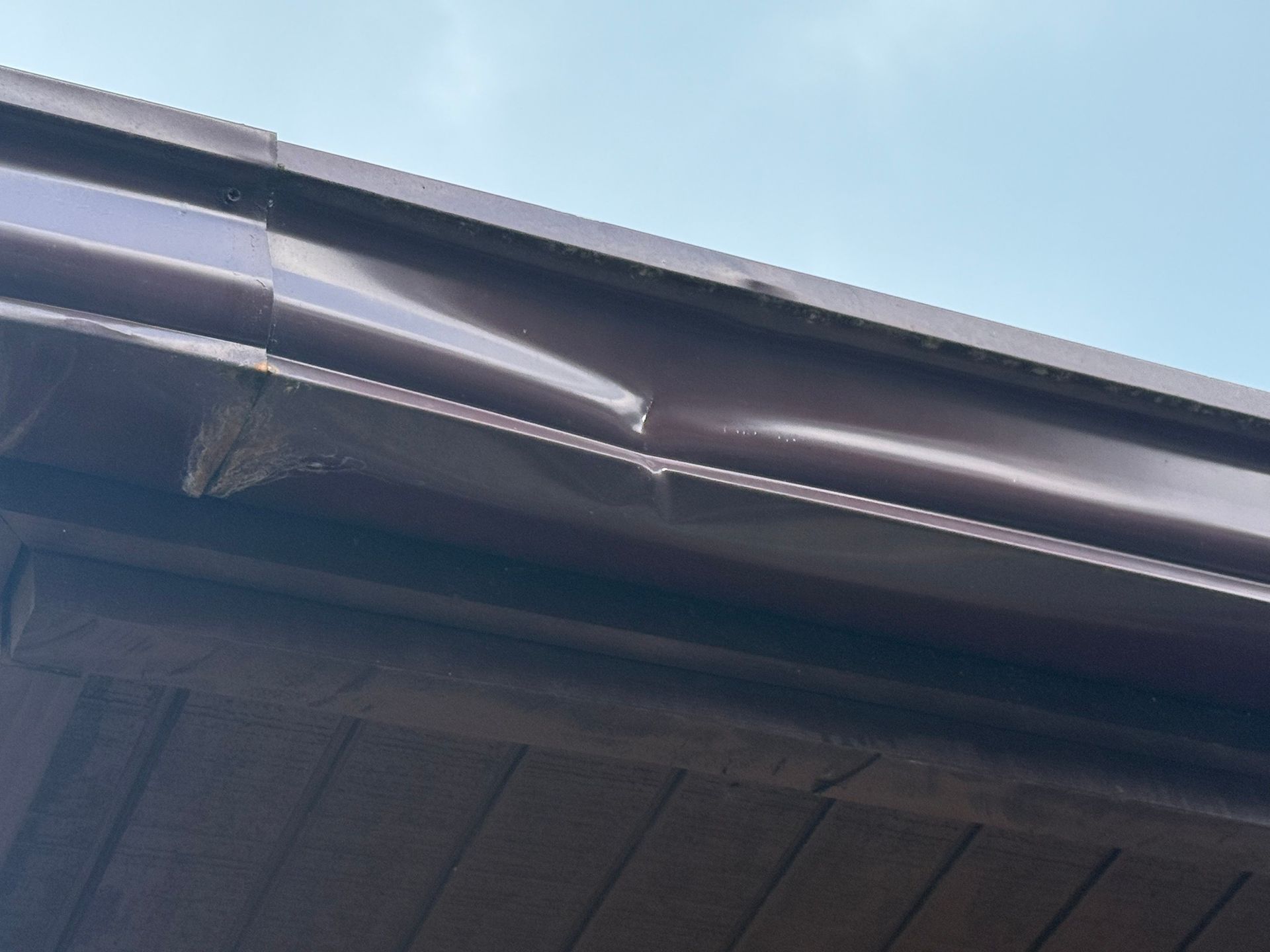
The weight of a large ice dam can exceed 50 pounds per linear foot, placing tremendous stress on gutters and fascia boards. Gutters pull away from the roofline, and fascia boards crack or rot from the combined weight and moisture exposure. Repairing this damage involves replacing gutters, fascia, and soffit panels, in addition to addressing the roof and interior water damage. Preventing ice dams through proper insulation and ventilation is far more cost-effective than repairing the cascading damage they cause.
Which Columbia Neighborhoods Are Most Vulnerable to Ice Dams?
Older neighborhoods with homes built before modern energy codes, such as areas near Lake Kittamaqundi and Oakland Mills, face higher ice dam risks due to inadequate attic insulation.
Homes constructed in the 1960s and 1970s often have minimal attic insulation, sometimes as little as R-11 or R-19. Current Maryland building codes recommend R-38 or higher for energy efficiency and ice dam prevention. The gap between existing and recommended insulation levels allows significant heat loss through the roof deck, creating the temperature differential that triggers ice dam formation.
Multi-story homes with complex rooflines are also more susceptible because valleys and dormers create areas where snow accumulates and ice dams form more easily. These architectural features require careful attention to insulation and ventilation to maintain consistent roof temperatures and prevent localized melting and refreezing.
Can You Remove Ice Dams Safely or Should You Call a Professional?
Removing ice dams requires specialized tools and techniques; attempting removal with hammers, chisels, or heat sources can damage shingles and create safety hazards.
Homeowners should never use sharp tools to chip away ice dams, as this approach damages shingles and can puncture the roof deck. Applying heat with torches or heat guns is equally dangerous, posing fire risks and melting protective asphalt coatings. The safest DIY approach is to use a roof rake to remove snow from the lower three to four feet of the roof, preventing the accumulation that leads to ice dams.
Professional ice dam removal services use low-pressure steam to melt channels through the ice, allowing trapped water to drain without damaging roofing materials. This method is effective and safe, though it addresses the symptom rather than the underlying cause. Homeowners who experience recurring ice dams should invest in attic insulation and ventilation upgrades to eliminate the heat loss that creates the problem. Those looking to find storm damage help in Columbia can also address ice dam damage and prevention during post-winter repairs.
How Can Columbia Homeowners Prevent Ice Dams?
Prevent ice dams by upgrading attic insulation to R-38 or higher, ensuring balanced soffit and ridge ventilation, and sealing air leaks between living spaces and the attic.
Start by measuring your attic insulation depth. If it falls below R-38, add blown-in fiberglass or cellulose to reach the recommended level. Proper insulation keeps heat in your living spaces rather than allowing it to escape through the roof deck. Next, verify that soffit vents at the eaves and ridge vents at the peak are clear and unobstructed. Balanced ventilation allows cool outdoor air to enter at the eaves and warm air to exit at the ridge, maintaining a consistent attic temperature.
Seal gaps around plumbing vents, electrical wires, and recessed lights where warm air leaks into the attic. Use spray foam or caulk to close these openings, reducing the amount of heat that reaches the roof deck. Installing a continuous ridge vent and ensuring adequate soffit ventilation creates the airflow needed to keep the attic cold and prevent snow melt. These upgrades pay for themselves through reduced heating costs and eliminated ice dam damage.
Protecting your Columbia home from ice dams requires a comprehensive approach to insulation and ventilation. AHI Roofing & Remodeling provides expert assessments and upgrades to eliminate ice dam risks and improve energy efficiency. Plan your improvements today to enjoy a worry-free winter season.

What We’ve Been Working On: Major Renovations, Exterior Upgrades & Home Improvements Across Maryland