Common Winter Roofing Problems Maryland Homeowners Should Watch For
Common Winter Roofing Problems Maryland Homeowners Should Watch For
Winter roofing problems in Maryland include ice dams, flashing failures, condensation in attics, and wind-damaged shingles that allow water intrusion and structural damage. Recognizing these issues early and scheduling prompt repairs protects your home from escalating costs and interior water damage.
How Do Ice Dams Form on Maryland Roofs?
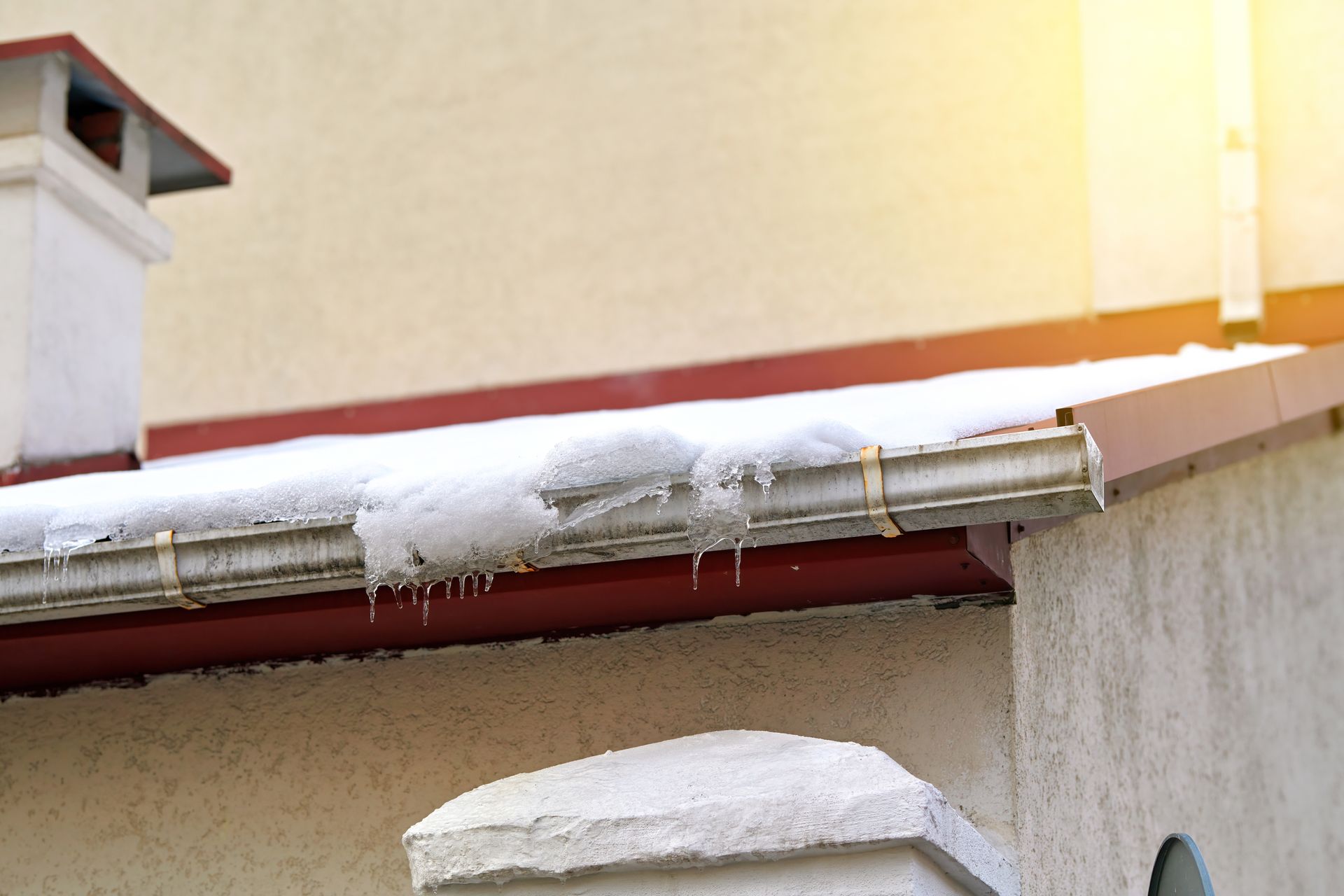
Ice dams develop when heat escaping through an under-insulated attic melts snow on the upper roof, and the meltwater refreezes at the cold eaves, creating a barrier that traps runoff.
Maryland's freeze-thaw cycles create ideal conditions for ice dams. Daytime temperatures rise above freezing, melting snow on south-facing slopes. At night, temperatures drop into the 20s, refreezing the meltwater at the roof's edge. Over several cycles, a thick ridge of ice forms along the eaves, blocking water from draining into gutters. Trapped water backs up under shingles and seeps into the attic, causing ceiling stains, insulation damage, and mold growth.
Homes built before modern energy codes are especially vulnerable because attic insulation was often minimal. Heat from living spaces rises into the attic, warming the roof deck and accelerating snow melt. Proper insulation and ventilation balance attic temperature with outdoor conditions, preventing the heat loss that triggers ice dam formation. Homeowners who find roofing help in Columbia often discover that upgrading attic insulation solves recurring ice dam problems.
What Causes Flashing to Fail During Winter?
Freeze-thaw cycles cause flashing sealant to crack and metal to contract, opening gaps where water enters around chimneys, skylights, and vent pipes.
Flashing relies on flexible sealant to maintain a watertight barrier between the roof surface and vertical penetrations. Winter's temperature swings cause sealant to harden and lose elasticity, leading to cracks that allow water infiltration. Metal flashing also contracts in cold weather, pulling away from surfaces it was designed to protect. Once gaps form, melting snow and rain follow the path of least resistance into the attic.
Chimneys are particularly vulnerable because they extend through the roof and experience significant temperature differences between the interior and exterior. The flashing around a chimney must accommodate movement while maintaining a seal, a challenge that becomes more difficult as materials age. Annual inspections identify failing flashing before leaks develop, allowing repairs during favorable weather rather than emergency calls during winter storms.
Can Condensation in the Attic Damage Your Roof?
Yes, warm moist air from living spaces that enters an under-ventilated attic condenses on cold surfaces, causing wood rot, mold growth, and insulation damage.
Bathrooms, kitchens, and laundry rooms generate moisture that rises into the attic through gaps in the ceiling. When this humid air contacts cold roof sheathing, it condenses into water droplets that soak into the wood. Over time, the constant moisture causes rafters and sheathing to rot, weakening the roof's structural integrity. Wet insulation loses its R-value and becomes a breeding ground for mold, which spreads through the attic and into living spaces.
Proper ventilation removes moist air before it condenses, maintaining a dry attic environment. Soffit vents at the eaves allow cool air to enter, while ridge vents at the peak let warm air escape. This continuous airflow prevents moisture buildup and extends the life of roofing materials. Maryland homeowners should verify that vents are not blocked by insulation or debris, ensuring balanced airflow throughout the winter.
Which Wind-Related Roof Damage Occurs Most Often in Winter?
Winter storms with high winds lift shingle edges, tear off damaged sections, and drive rain under roofing materials, causing leaks and exposing the roof deck.
Maryland's winter nor'easters bring sustained winds of 30 to 50 miles per hour, with gusts exceeding 60 miles per hour. These winds exploit any weakness in the roof, lifting shingles that were already loose or damaged. Once a shingle edge lifts, wind-driven rain and snow enter the gap, soaking the underlayment and roof deck. Repeated exposure leads to rot and structural damage that requires extensive repairs.
Homes with older roofs or previous storm damage are most vulnerable to wind-related failures. Shingles that have lost granules or developed cracks offer less resistance to wind uplift. Flashing that has pulled away from vertical surfaces creates additional entry points for wind and water. Scheduling a professional inspection after major storms identifies damage before it worsens, allowing homeowners to explore roof repair options in Edgewater and complete work before the next weather event.
When Should Maryland Homeowners Inspect for Winter Roof Problems?
Conduct visual inspections after each major storm and schedule professional assessments in late fall and early spring to catch issues before they escalate.
Walk around your home after heavy snow or ice storms, looking for icicles along the eaves, water stains on exterior walls, or shingles on the ground. These signs indicate problems that require immediate attention. Inside the attic, check for daylight through the roof deck, water stains on rafters, and damp insulation. Any of these conditions warrant a call to a roofing professional.
Professional inspections in November and March provide a comprehensive assessment of your roof's condition before and after winter. Fall inspections identify vulnerabilities that can be repaired before cold weather arrives, while spring inspections document any damage that occurred during winter storms. This proactive approach prevents small issues from becoming major failures and helps you plan for necessary repairs or replacements.
Protecting your Maryland home from winter roofing problems starts with vigilance and timely action. AHI Roofing & Remodeling provides thorough inspections and reliable repairs to keep your roof secure through every season. Connect with our team today to address winter damage and prepare for the months ahead.

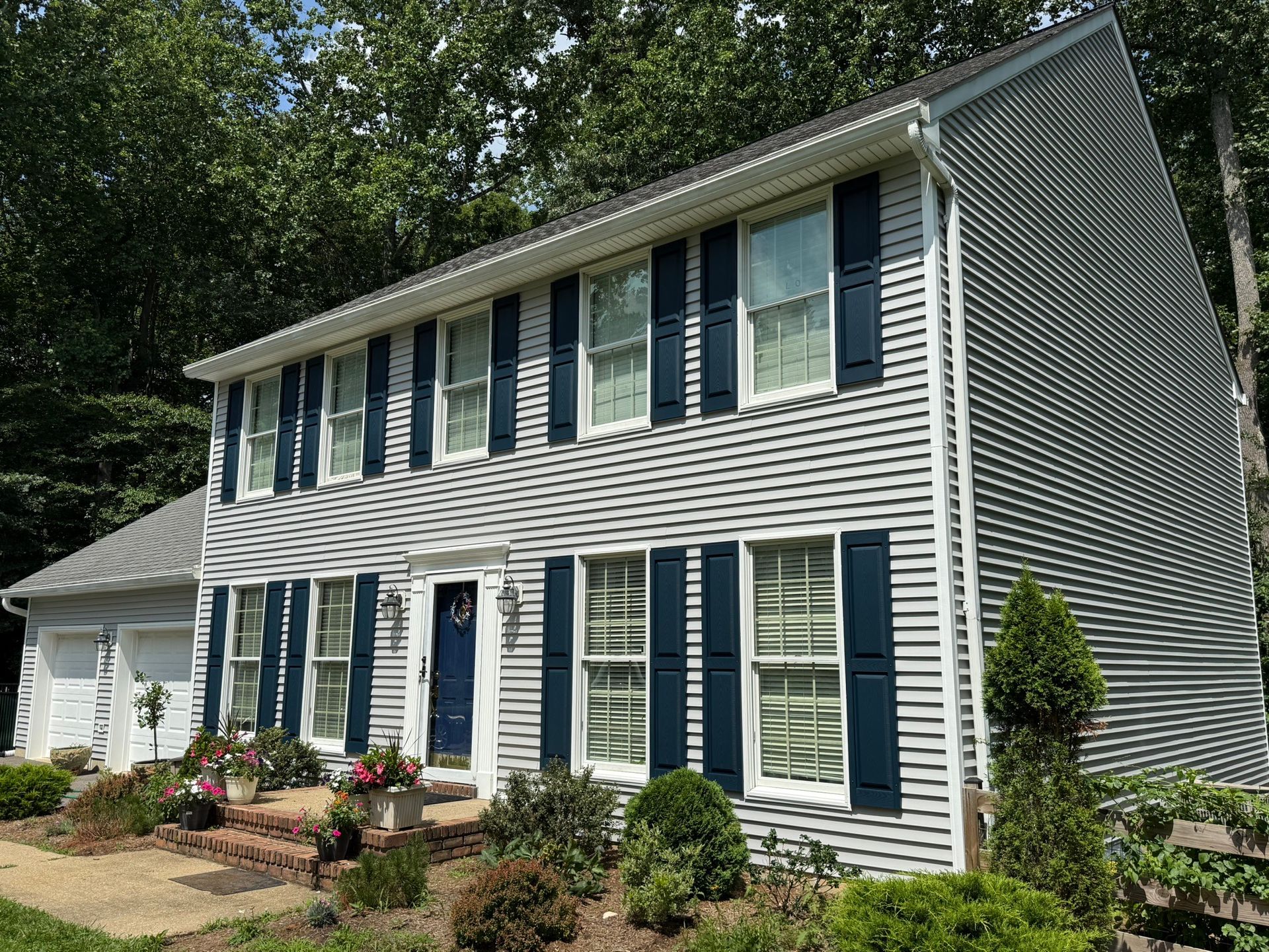
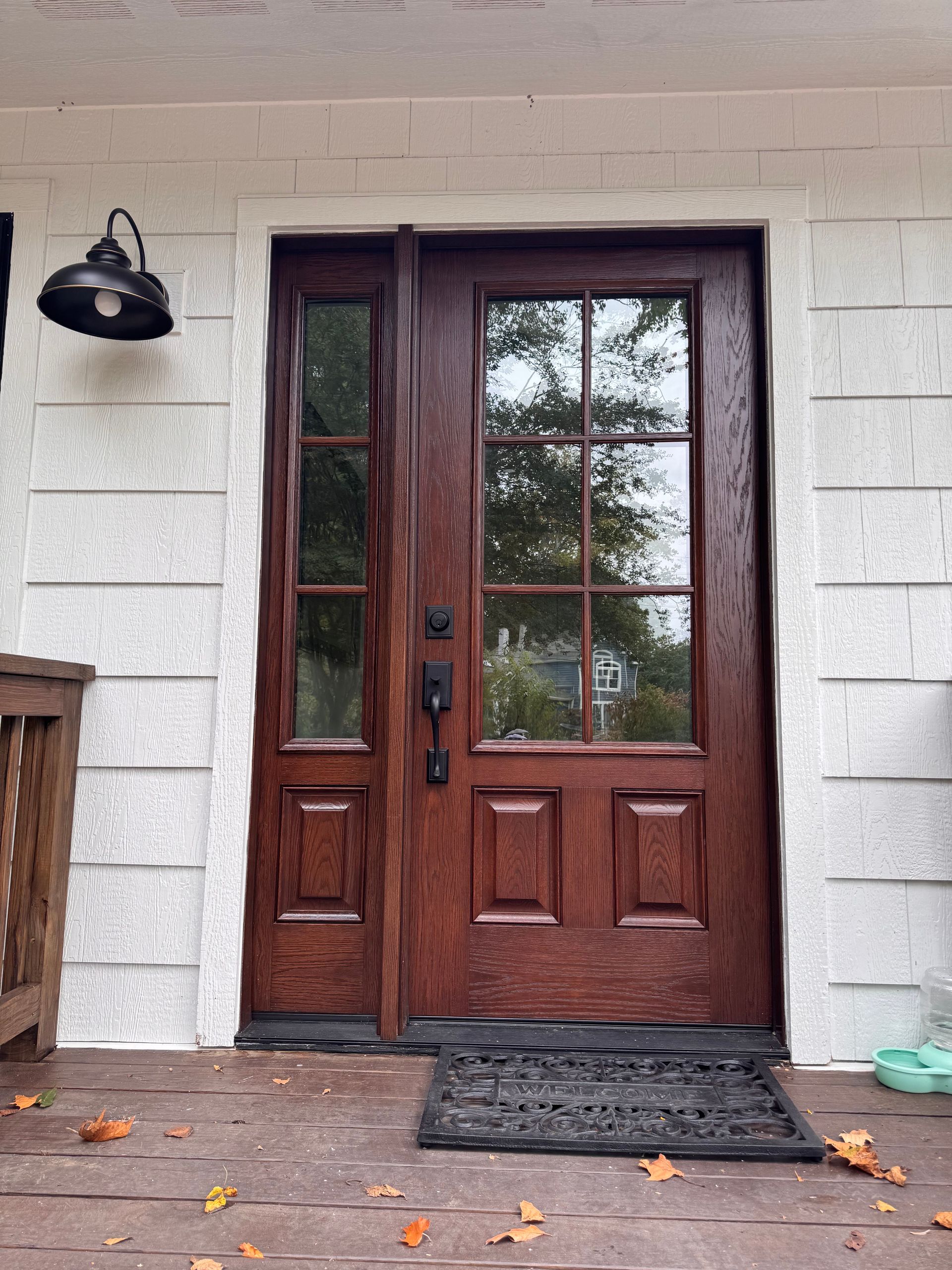
What We’ve Been Working On: Major Renovations, Exterior Upgrades & Home Improvements Across Maryland